
The truly important things are worth spending time on.
Read more ›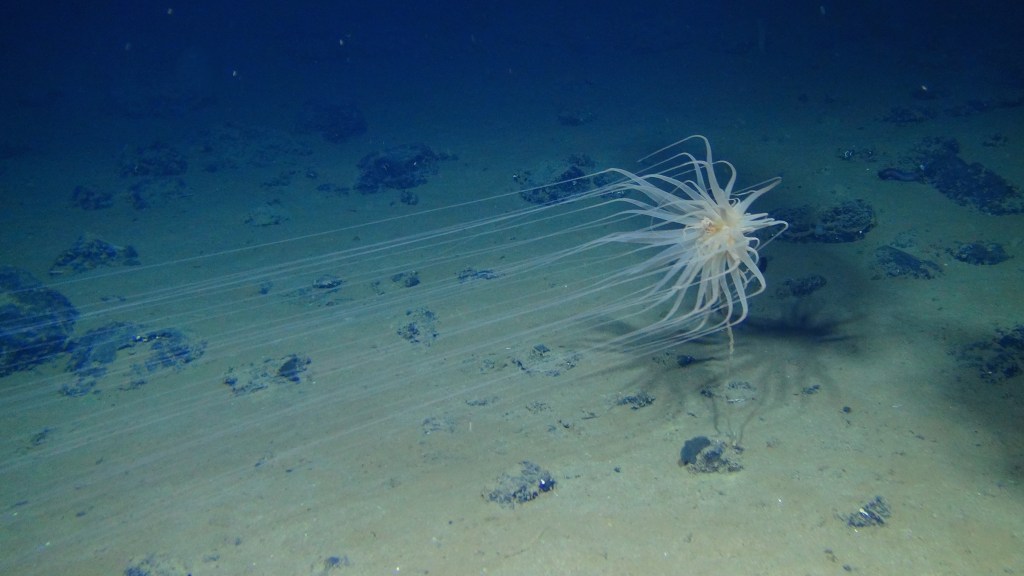
The presence of large stores of minerals in the deep ocean has been known for more than half a century. The possibilities for commercial harvesting of these deposits – rich in valuable metals, including zinc, cobalt, copper, nickel and gold – were being discussed as far back as the 1970s, but only in the last few years has large-scale extraction of these resources come to be considered a realistic possibility.
Advances in deep-sea technology and growing demand for the metals now known to exist in abundance on the ocean floor, such as cobalt and nickel, have led to renewed attention and investment in deep-sea mining. While the technological and economic viability of this expensive and complex form of resource extraction are still unclear, interest in large-scale seafloor mining is on the rise. Read more ›

“When established power is no longer embedded in instituting power, it is overthrown. This is what’s happening now.”
Read more ›
If nature exposure is so beneficial, could it be because certain human needs are heightened by our disconnection from the natural world?
Read more ›My latest for Frontier Group, on the finger-wagging narcissism, grandstanding, posturing and sermonising that seem to have replaced debate over ideas and policies in certain sections of the political landscape.
…will be green.
“We humans have a tendency to see the world through the lens of what Henri Bergson called ‘habit-memory’ — our automatic reflex to make use of the ‘ready-made’ and to fall back into mechanical repetition of the same actions and ideas. Learning to listen to our imagination and to understand the places we live in a more intimate way can enable us to become attentive to the detail and complexity of the world around us that often get lost in our propensity for abstract thinking and the simplification of the world it entails. And this opens us up to new ways of thinking about problems, including global ones…”
Read the full article over on Medium.
It’s all explained in a new, unzeitgeistily upbeat blog post of mine over on the Frontier Group site.

Randall Amster (2011) Shofar: An Interdisciplinary Journal of Jewish Studies, Volume 29, Issue 3, pages 175-7
It would be hard to overstate the importance of James Horrox’s slim 2009 volume A Living Revolution: Anarchism in the Kibbutz Movement. Given the centrality of Israel’s role in the geopolitical landscape, as well as its obvious imbrications within the larger workings of the American military-industrial complex, any text that cogently highlights an alternative narrative at the heart of Israel’s national ethos merits our critical attention. The fact that Horrox is able to accomplish this aim so spectacularly and vividly Read more ›
 James Horrox